
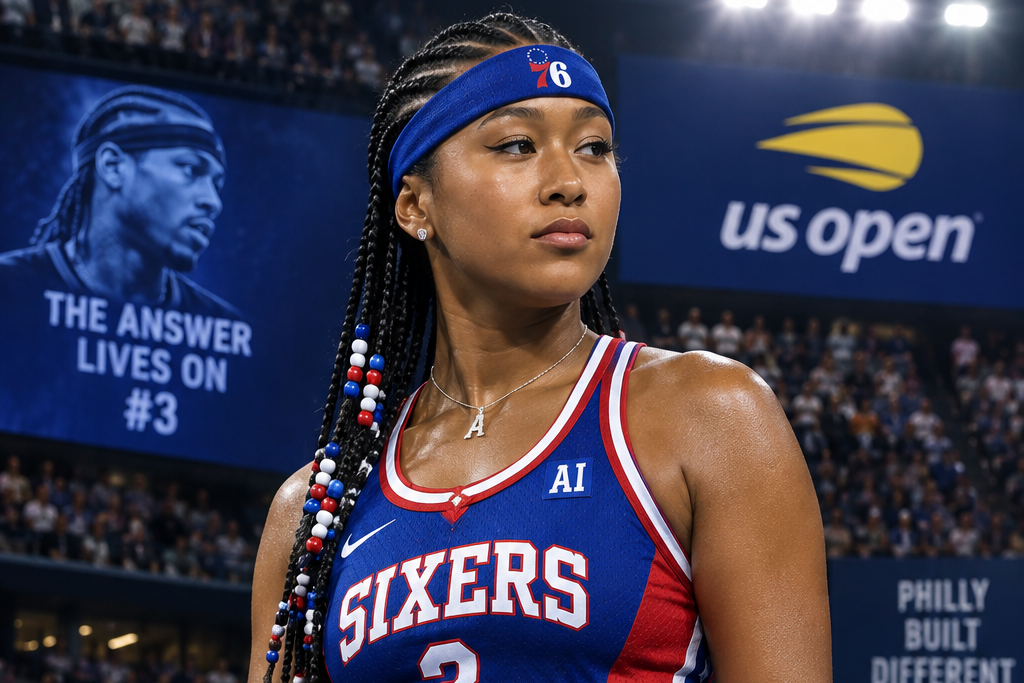
Naomi Osaka doesn’t just play tennis. Every outfit she wears tells a StOri.
After taking a break following the birth of her daughter, Osaka decided that her return to tennis would not be measured only by wins.
One of the moments that defined this new direction came through her collaboration with Nike and designer Yoon Ahn.
Instead of starting with colors or cuts, they started with one question: What excites you?
Osaka spoke about her love for Harajuku fashion, anime, and the Japanese culture she grew up with.
The result was far from just another tennis outfit. At the 2024 US Open, she walked onto the court in a green dress filled with layers, ruffles, and oversized bows, even incorporating them into her shoes and headphones.
Osaka described the look almost like a “super suit” - something that helped her feel stronger and more confident when she stepped onto the court.
Since then, every Grand Slam has become another chapter. In Australia, she appeared in a Robert Wun look inspired by a jellyfish, with butterflies referencing the viral moment in 2021 when one landed on her during a match.
And at the 2026 US Open, it reached another level. Osaka entered Arthur Ashe Stadium wearing a tunic covered in newspaper headlines from throughout her career.
Underneath, she revealed a look paying tribute to Allen Iverson, complete with cornrows, a headband, and basketball-inspired elements. The message was almost perfect: She is “The Answer” - to sport, fashion, culture, and design. And this is where the StOri becomes bigger than fashion.
Nike realized Osaka was so much more than a tennis player. She could become a cultural platform.
In a world where athletes, entrepreneurs, and brands are all competing for attention, standing out sometimes requires thinking outside the boundaries of the court, quite literally.
That’s why tennis courts became runways. Grand Slams became galleries. And every walk-on became another chapter. Because a strong brand doesn’t just tell people what you do. It helps them understand who you are before the game even begins.
What’s Your StOri?